A consistent email schedule is one of the simplest ways to make your email marketing feel more recognizable, more useful, and more trustworthy in 2026. When subscribers hear from you at a steady rhythm, your emails are easier to remember, easier to act on, and less likely to feel like a random interruption.
That does not mean sending for the sake of sending. A good routine gives every campaign a clear job, whether you are sharing a product update, a seasonal offer, a customer story, a checklist, or a useful reminder. Here is how consistency improves your email strategy, plus practical ways to build a schedule you can actually keep.
- Why a consistent email schedule matters in 2026
- Keep your brand easy to recognize
- Train your audience to engage
- Support deliverability and sender reputation
- Create steadier website traffic and revenue
- Make your email analytics more useful
- Build an email routine you can maintain
- Quick consistency checklist
Why a consistent email schedule matters in 2026
Email inboxes are more selective than they were a few years ago. Gmail and Yahoo bulk sender rules now expect authenticated email, easy unsubscribe options, and low complaint rates. Microsoft has also introduced stricter requirements for high-volume senders to Outlook.com addresses. For marketers, the message is clear: sending quality, wanted email on a predictable cadence matters more than occasional high-pressure blasts.
Consistency helps because it gives subscribers a fair expectation of what they will receive from you. If someone signs up for weekly inspiration, a monthly digest, or regular product updates, your sending pattern should match that promise. When the rhythm feels familiar, subscribers are less likely to forget who you are and less likely to mark a legitimate campaign as spam.
Keep your brand easy to recognize
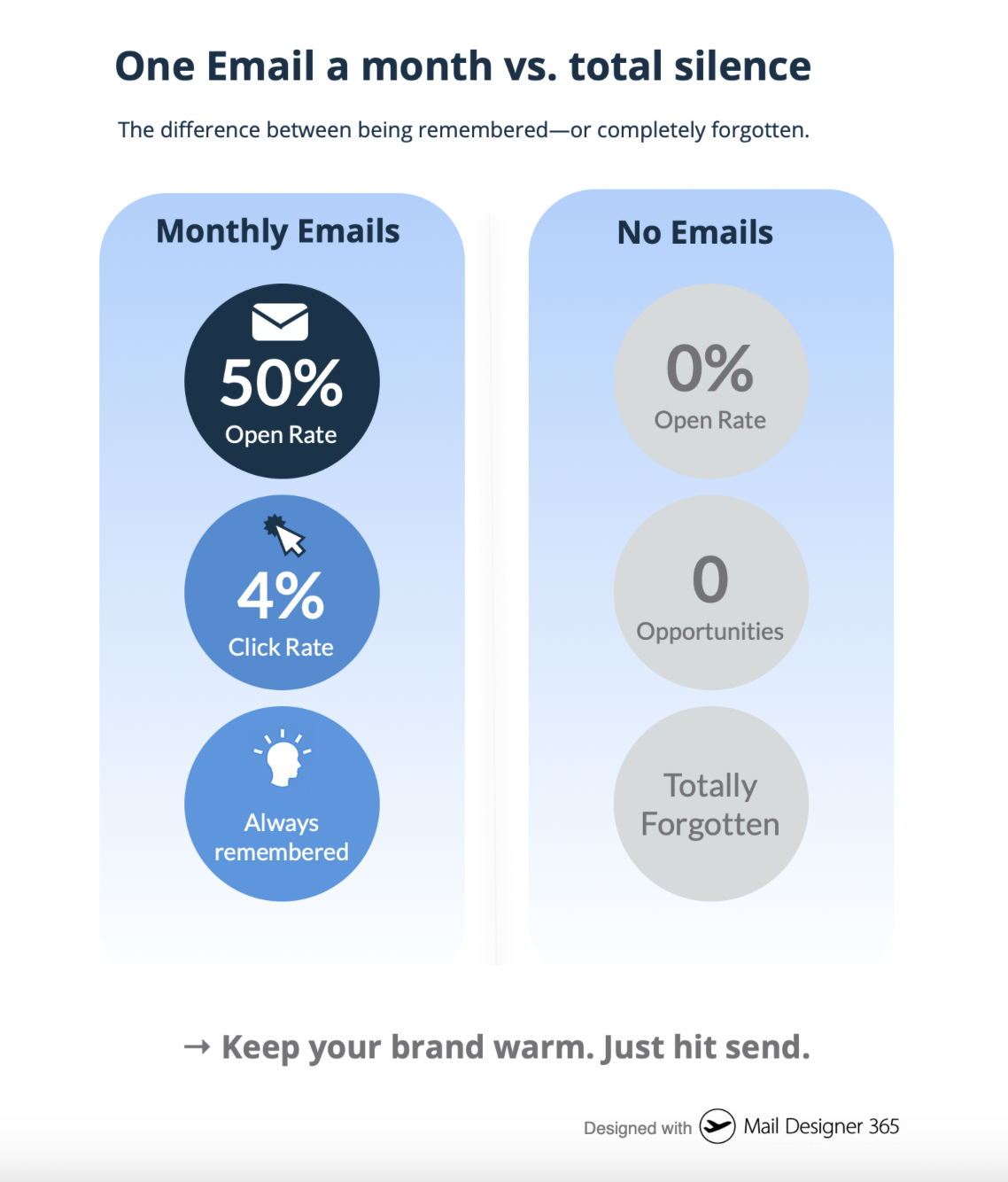
In email marketing, visibility is everything. You cannot expect results if your brand disappears for weeks or months and then suddenly arrives with an urgent promotion. Regular sending keeps your name, visual style, and message familiar in the inbox.
Think about the brands you recognize immediately when you open your own email. They usually show up with a steady rhythm, a consistent sender name, and a format you can identify at a glance. That familiarity builds trust before the reader has even clicked.
In contrast, brands that send very rarely can feel unfamiliar even to people who opted in. If a subscriber no longer remembers signing up, your campaign has to work much harder to earn attention.
Train your audience to engage
A consistent email schedule helps your audience understand what kind of value to expect from you. Weekly product picks, a monthly founder note, a Friday roundup, or a seasonal planning email can all become familiar moments in the customer relationship.
This is useful for the reader and useful for your team. Instead of inventing a completely new campaign concept every time, you can build repeatable formats: Deal of the Week, New This Month, Staff Picks, Customer Favorite, Last Chance, or What to Know Before You Buy. The format stays familiar while the content changes.
For more planning inspiration, see our guide to 2026 email ideas and our tips for creating a company newsletter people actually want to read.
Support deliverability and sender reputation
Sending more often does not automatically improve deliverability. Sending wanted, relevant email at a steady pace can help. Inbox providers look at many signals, including authentication, bounce behavior, complaint rates, engagement, and whether recipients can unsubscribe easily.
Random sending can work against you. If a list has been quiet for months and suddenly receives a large campaign, some subscribers may ignore it, delete it, or mark it as spam because they no longer recognize the sender. A smaller, more regular cadence gives your audience more chances to interact positively with your emails.
For 2026, make consistency part of a broader deliverability routine: use a verified sending domain, keep SPF, DKIM, and DMARC in place, make unsubscribe links clear, remove inactive or invalid addresses, and send content that matches the expectations people had when they signed up. Our avoid spam guide covers more practical steps.
Create steadier website traffic and revenue
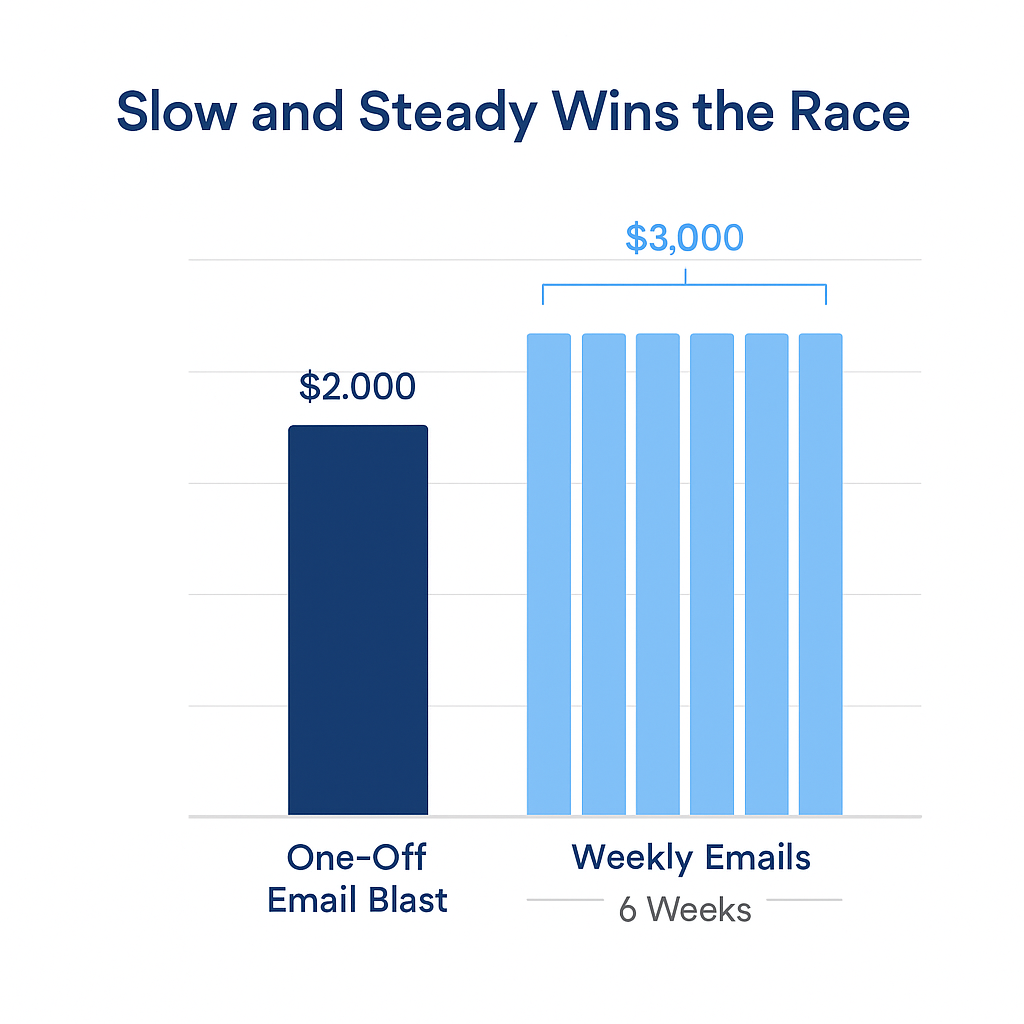
One large promotional blast every few weeks can produce a temporary spike in traffic, but it also puts a lot of pressure on a single campaign. A steadier email rhythm gives you more opportunities to bring people back to your website, product pages, booking flow, or latest content.
For example, one big campaign every six weeks might generate a strong day of sales. A weekly campaign gives you six chances to speak to different customer needs: a new arrival, a reminder, a useful guide, a limited offer, a review roundup, and a last-call message. The result is often a more balanced flow of attention rather than one short burst.
Consistent sending also helps you avoid sounding urgent all the time. Not every message needs to be a discount. Educational content, curated recommendations, seasonal reminders, and helpful checklists can all support revenue without training customers to wait for the next sale.
Make your email analytics more useful
Regular sending gives you cleaner comparisons. If you send once every few months, it is hard to know whether a result came from the subject line, the offer, the season, the list quality, or simple timing. A steady cadence gives you more reliable baselines.
For example, if your weekly campaigns usually earn a similar click pattern and one format performs noticeably better, you have a stronger reason to reuse or adapt that idea. Over time, you can learn which topics get clicks, which calls to action work, which segments respond, and which formats are worth turning into repeatable campaigns.
Remember that privacy changes mean open rates are not always as precise as they once were. In 2026, clicks, replies, conversions, unsubscribes, spam complaints, and landing-page behavior are often more useful than opens alone.
Build an email routine you can maintain
The best email schedule is not the most ambitious one. It is the one your team can keep without rushing every campaign. Start with a cadence that feels realistic, then increase frequency once your workflow is stable.
Choose a manageable rhythm
If weekly emails feel too much right now, start every two weeks or once a month. Consistency is more important than forcing a schedule that leads to rushed, low-value campaigns.
Batch your email content
Set aside a regular planning block to prepare several campaigns at once. You might write subject lines, choose products, gather images, and create reusable sections in one session, then refine each email closer to send day.
Use a simple content calendar
Map out product launches, seasonal moments, holidays, events, renewals, and quieter weeks. A calendar helps you see where you need a sales email, where a helpful guide would fit better, and where you can reuse a proven format.
Repurpose what already exists
Blog posts, customer questions, product pages, social posts, support guides, and previous newsletters can all become useful email content. Repurposing is not lazy when it helps subscribers notice something valuable they may have missed.
Create familiar templates
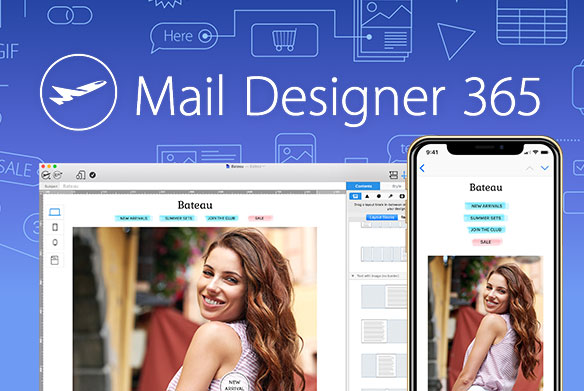
Repeatable layouts make regular sending easier. A monthly roundup, product spotlight, event reminder, or checklist template gives you a structure to fill instead of a blank page every time. Mail Designer 365 can help you create reusable email designs that still feel polished and on brand.
Schedule campaigns ahead of time
Once a campaign is ready, schedule it. This removes the last-minute stress of remembering to send and makes it easier to keep your email rhythm going during busy weeks, holidays, or team absences.
Quick consistency checklist
Before you commit to a new sending rhythm, run through this simple checklist:
- Choose a cadence you can maintain for at least three months.
- Use a consistent sender name and recognizable visual style.
- Plan repeatable campaign formats so every email does not start from zero.
- Keep your list clean and remove addresses that bounce or never engage.
- Make unsubscribe links easy to find and process opt-outs promptly.
- Track clicks, conversions, unsubscribes, and complaints alongside opens.
- Review performance monthly and adjust your calendar based on what your audience actually uses.
A consistent email schedule does not need to be complicated. Start with a rhythm you can keep, give each email a clear purpose, and build a small set of formats that your audience can recognize. Over time, that routine can make your email strategy calmer, stronger, and much easier to improve.
Mail Designer 365 helps teams create polished, responsive HTML email campaigns on the Mac, with reusable layouts, visual editing tools, and built-in sending options. Learn more about Mail Designer 365 at maildesigner365.com.
Get started with Mail Designer 365 today
Start your 7 day free trial and use your Mac to create stylish email newsletters for your business.